January 21, 2026
Heating, ventilation, and air conditioning systems play a vital role in keeping homes and businesses comfortable year-round. Yet, these systems are also among the biggest energy consumers in any property. Without proper upkeep, even a high-efficiency unit can lose performance and drive up utility costs. That’s why scheduling regular HVAC services is essential; not only for maintaining comfort but also for reducing energy expenses over time.
Routine maintenance keeps each component operating smoothly, from air filters to thermostats and ductwork. By addressing small issues before they escalate, property owners can enhance performance, improve air quality, and extend the lifespan of their equipment. In a world where energy costs continue to climb, consistent HVAC care provides measurable financial and environmental benefits, making it a smart investment for every homeowner and business operator.
The Impact of Regular Maintenance on HVAC Efficiency
Heating, ventilation, and air conditioning systems are essential for maintaining comfort and air quality in homes and businesses. The performance of these systems directly affects energy usage, making consistent maintenance crucial. By investing in regular HVAC services, property owners can lower energy bills while extending equipment life and supporting environmental sustainability.
Many people underestimate how routine care can prevent costly breakdowns and energy waste. Proper upkeep not only enhances system reliability but also ensures consistent comfort throughout the year. With energy costs on the rise, optimizing system efficiency should be a top priority for anyone seeking long-term financial and environmental benefits.
Regular maintenance provides a measurable impact on energy efficiency, indoor comfort, and system longevity. Understanding how each part of the HVAC system contributes to performance allows homeowners and business operators to make informed decisions that yield real savings.
Understanding the Mechanics Behind HVAC Systems
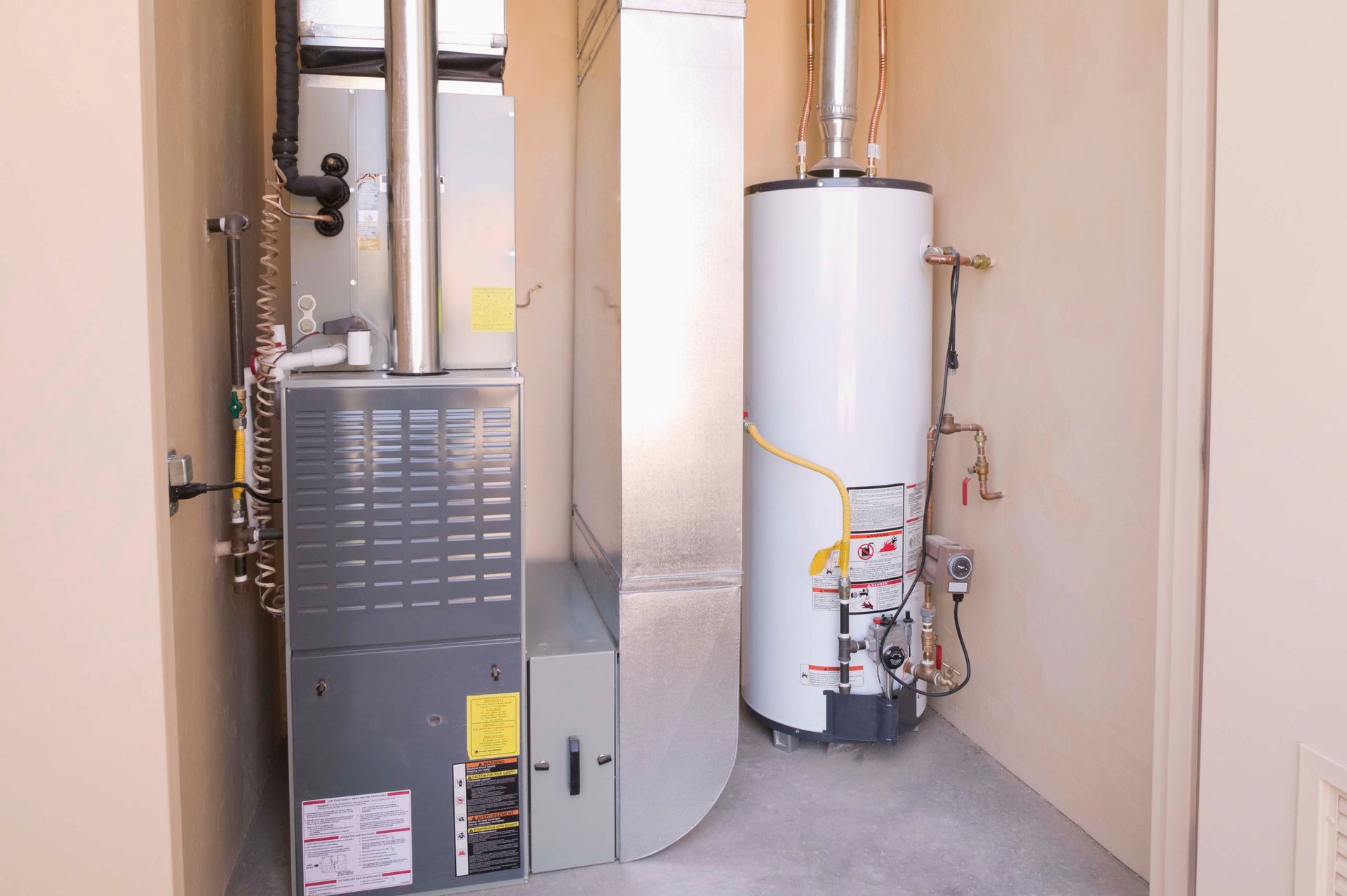
HVAC systems include furnaces, air conditioners, ductwork, and thermostats, all working together to regulate indoor temperature and air quality. Each component must operate efficiently for the system to perform at its best. When neglected, minor issues—like dust accumulation, worn-out belts, or unbalanced airflow—can snowball into higher energy costs and uneven comfort levels.
Without regular upkeep, systems strain to maintain set temperatures, drawing more power and increasing utility bills. Dust buildup on coils or within ducts can reduce airflow, while malfunctioning sensors disrupt temperature accuracy. According to the Department of Energy, combining proper maintenance with insulation and thermostat adjustments can save up to 30% in energy consumption. This holistic approach demonstrates how comprehensive attention to HVAC systems promotes both cost savings and sustainability.
Understanding these mechanics helps users appreciate why consistent service is essential for maintaining performance and minimizing waste.
How Regular Maintenance Enhances System Efficiency
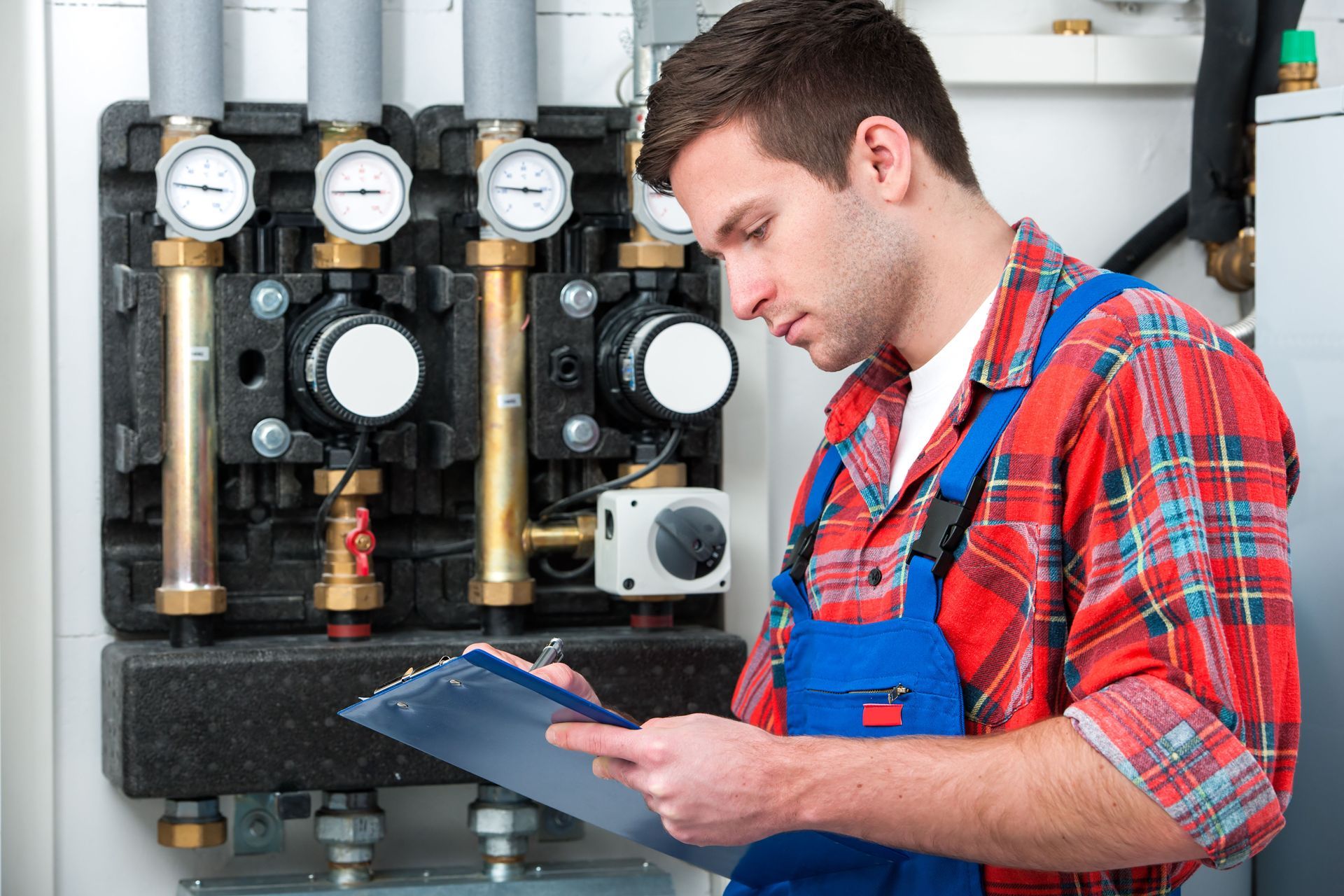
Routine maintenance focuses on inspecting, cleaning, and adjusting system components to sustain efficient operation. This proactive strategy identifies small problems before they cause major disruptions. Tasks such as filter changes, control calibration, and coil cleaning keep systems running smoothly while maintaining optimal airflow.
When HVAC services are performed regularly, homeowners enjoy more consistent temperatures and cleaner air, both of which contribute to lower energy bills. Routine service also prevents the system from overworking, reducing wear and extending its lifespan.
The relatively low cost of professional maintenance offsets potential expenses from breakdowns or replacements. Over time, this investment pays off through improved comfort, lower utility costs, and dependable system performance. Regular maintenance is the cornerstone of both energy efficiency and long-term equipment reliability.
Cleaning and Replacing Air Filters for Peak Performance
Air filters are among the simplest yet most vital elements of an HVAC system. Their role in trapping dust, pollen, and airborne contaminants keeps indoor air clean and prevents internal components from clogging. When filters become dirty, airflow is restricted, forcing the system to work harder and consume more energy.
Replacing filters every one to three months—or more often in high-dust environments—ensures smooth operation and clean airflow. A clean filter can improve efficiency by up to 15% while promoting healthier indoor air. When combined with other regular HVAC services, this simple habit significantly reduces overall energy use.
By maintaining filters consistently, homeowners protect both their health and their energy budgets. It’s a low-effort, high-impact step toward keeping an HVAC system performing efficiently throughout the year.
The Value of Professional Duct Inspections and Cleaning
Ductwork plays a crucial role in distributing conditioned air evenly across spaces. When ducts leak, clog, or accumulate debris, the system loses efficiency and comfort suffers. Regular inspections and cleaning restore airflow, ensuring that heated or cooled air reaches every room without unnecessary waste.
Professional technicians use specialized tools to remove contaminants and identify leaks that often go unnoticed. Sealing those leaks can improve system performance by as much as 20%. Beyond efficiency, duct cleaning enhances indoor air quality, removing allergens, dust, and mold spores that can circulate through the home.
This attention to detail is especially valuable in larger homes or commercial spaces where duct systems are extensive. Incorporating duct inspections into regular HVAC services keeps systems running efficiently while maintaining a cleaner, healthier environment.
Addressing Electrical and Mechanical Inefficiencies
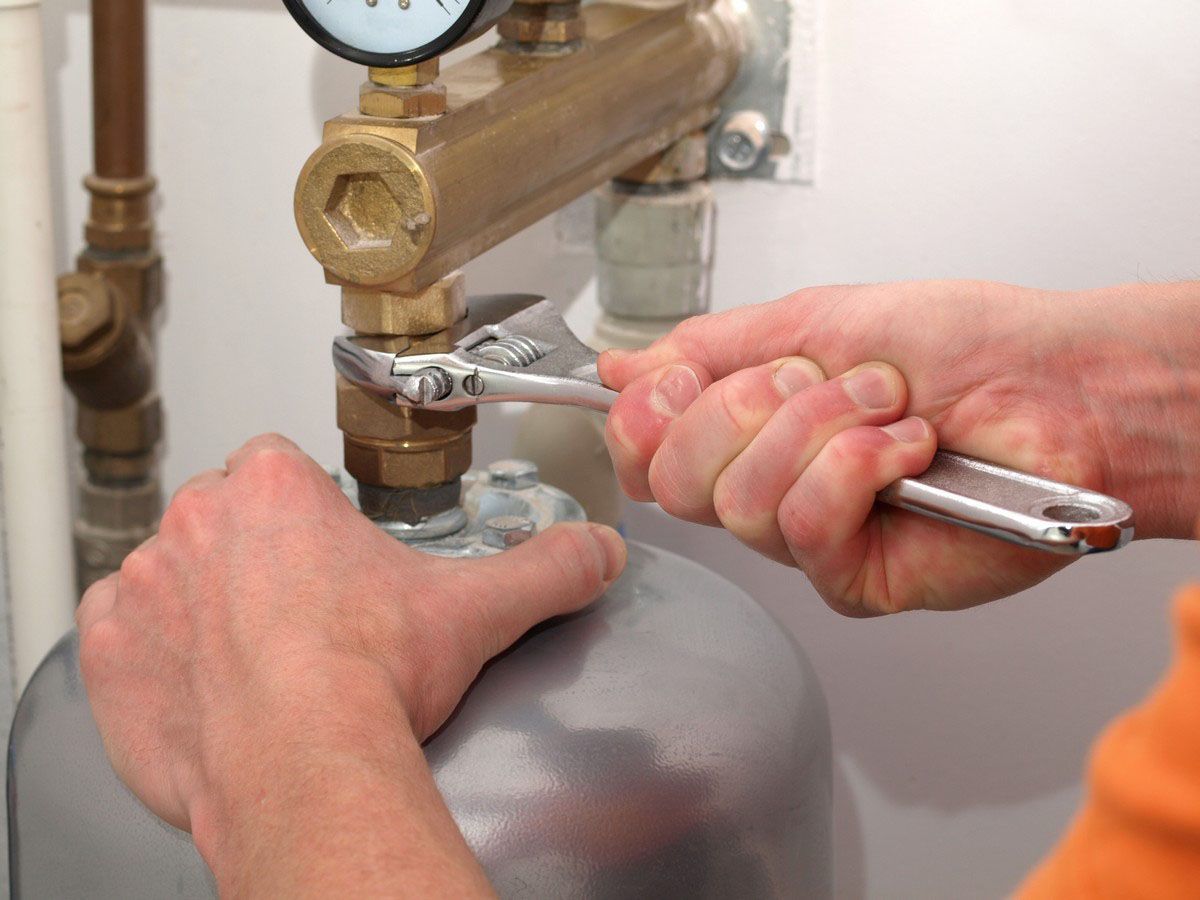
Electrical problems—such as loose connections, faulty wiring, or damaged capacitors—can significantly reduce system performance. These issues cause short cycling, overheating, and unnecessary energy consumption. Mechanical inefficiencies, including worn belts or failing motors, add further strain to the system and increase utility costs.
During professional inspections, technicians assess electrical components to ensure proper voltage and connection integrity. Identifying and correcting issues early prevents costly damage and reduces the risk of power loss or overheating. Mechanical checks ensure that moving parts are lubricated and aligned for efficient operation.
Addressing these inefficiencies not only saves energy but also enhances safety and reliability. Regularly scheduled HVAC services that include electrical and mechanical assessments are vital for optimizing system performance and preventing avoidable failures.
Cost Savings and Long-Term Benefits of Consistent Care
Both residential and commercial clients have reported substantial savings after implementing regular maintenance programs. For instance, homeowners who schedule seasonal tune-ups often experience up to a 25% reduction in annual energy costs, thanks to cleaner filters, calibrated controls, and sealed ductwork. Businesses see similar results, with some commercial properties cutting HVAC-related expenses by 20% after performance optimization.
These savings are backed by national data—studies show that maintained systems can consume up to 40% less energy than neglected ones. Regular maintenance not only lowers monthly expenses but also reduces repair frequency, ensuring consistent performance year-round.
Whether performed in homes or large facilities, HVAC services offer a proven return on investment. They extend equipment life, enhance comfort, and create predictable energy usage patterns, benefiting both budgets and sustainability efforts.
Regular maintenance is the foundation of efficient heating and cooling performance. By keeping components clean, identifying energy drains early, and addressing inefficiencies through professional care, homeowners and business owners can significantly reduce energy expenses and improve system reliability. Simple actions—like replacing filters, inspecting ducts, and fine-tuning thermostat settings; translate into tangible financial savings and enhanced comfort.
As energy costs continue to rise, investing in regular HVAC services becomes not just a maintenance task but a smart financial strategy. According to the Department of Energy, consistent care and proper system adjustments can reduce energy consumption by as much as 30%, providing lasting value and sustainability.
For those looking to enhance performance, lower energy bills, and ensure long-term system reliability, Price Heating & Air offers expert maintenance and inspection services tailored to your needs. Contact Price Heating & Air today to schedule your professional HVAC service and experience the benefits of improved comfort, cleaner air, and lasting energy efficiency.